Community
VATSIM Cross the Pond 2026: Everything You Need to Know
The VATSIM Cross the Pond event returns April 25, 2026 after a year off. Here's your complete guide to CTP Eastbound, from slot booking to oceanic clearances.
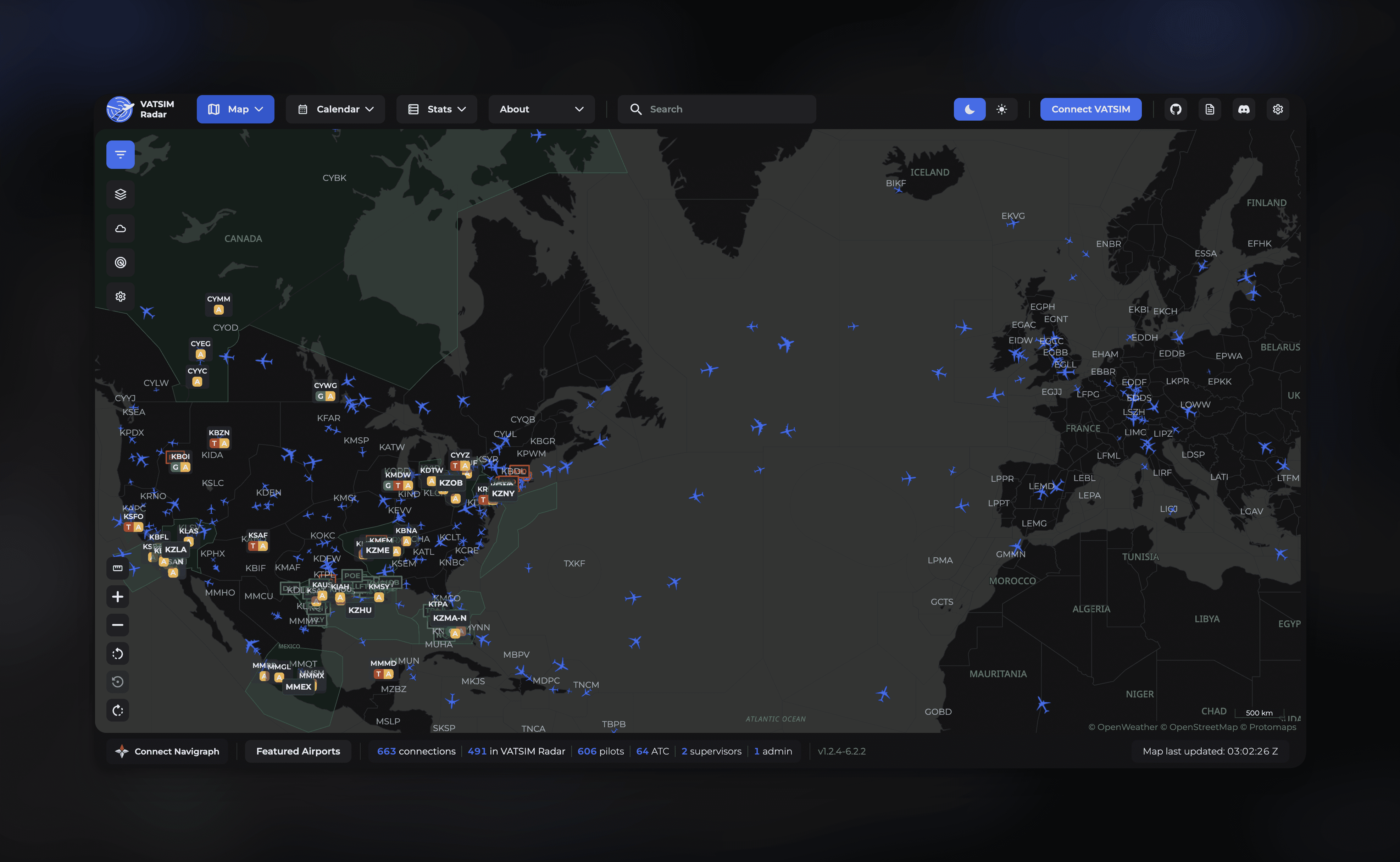
The VATSIM Cross the Pond event is back, and after a full year away, the anticipation is real. CTP Eastbound 2026 is locked in for April 25, and if you've never flown it before, this is the one to start with. If you have flown it, you already know why your palms get sweaty just thinking about that first oceanic clearance.
Cross the Pond is the largest single event on the VATSIM network. We're talking hundreds of aircraft crossing the North Atlantic simultaneously, with full ATC coverage from gate to gate, including dedicated oceanic controllers working the NAT tracks. It's been running for over 20 years, and nothing else in the flight sim world quite matches the scale of it. This guide covers everything you need to prepare for CTP 2026, whether you're a first-timer or a veteran who just needs a refresher on the oceanic procedures.
Why CTP 2026 Eastbound Matters More Than Usual
Here's the thing: there was no Cross the Pond Eastbound in 2025. The organizing team cancelled it to take a step back and rethink how the event is managed. CTP had been growing every single edition, putting enormous pressure on the volunteer controllers and coordination staff. Rather than run a subpar event, they hit pause.
That break means the 2026 edition is a proper comeback. The CTP team has had time to restructure, and pilots should expect some refinements to how things run. The core experience stays the same: you fly a transatlantic route from a North American airport to a European destination with wall-to-wall ATC. But the behind-the-scenes logistics have had a full year of attention.
Demand for slots will likely be higher than ever. If you want in, you need to be ready when expressions of interest open.
How the Slot Booking System Works
CTP doesn't operate on a first-come-first-served basis. It uses a lottery system, which is actually more fair than the old mad-dash approach. The process goes like this: an expression of interest window opens on the CTP website (ctp.vatsim.net), you register your interest, and then a lottery runs after the window closes. Winners get assigned a booking time and can pick their preferred departure slot and airport.
The important part: if you don't get a slot, the organizers ask you not to fly the transatlantic route during the event. This isn't just a polite suggestion. Unslotted aircraft create real problems for the oceanic controllers who are already managing an enormous volume of traffic. Respect the system and it works for everyone.
Keep an eye on the CTP website and VATSIM's social channels for the exact dates when expressions of interest open. Given the pent-up demand from the 2025 cancellation, expect the lottery to be competitive.
Picking Your Aircraft and Planning Fuel
This is a transatlantic crossing, so you need something with legs. The popular choices are the Boeing 777, Boeing 747, Airbus A330, and Airbus A350. In the MSFS 2024 ecosystem, the PMDG 777 is a strong pick, especially with PMDG currently rolling out a fleet-wide update that fixes the WASM crash issues that plagued earlier versions. The PMDG 737 obviously won't make it across the ocean, so don't even think about it.
If you're on a freeware budget, the FlyByWire A380X is working toward MSFS 2024 native support, though for CTP you'll want to verify it's stable enough for a five-plus hour flight before committing. The iniBuilds A310 is another solid option that doesn't get enough love for long-haul work.
Fuel planning is critical. The maximum flight level for eastbound crossings is FL290, which is lower than your typical cruise altitude. Lower altitude means higher fuel burn. Add holding fuel on top of that, because you will almost certainly be put into a hold or get vectors before landing at your European destination. Plan for at least 45 minutes of extra fuel beyond your standard reserves. Tools like SimBrief handle this well if you set your constraints correctly.
Oceanic Procedures and natTrak
This is where CTP separates the prepared pilots from the ones who end up panicking at NATB. Oceanic clearances during CTP are handled through natTrak, VATSIM's web-based oceanic clearance system. You don't get your clearance over voice like a normal domestic flight. You log into natTrak, and the system assigns you a route and clearance based on the available NAT tracks.
Routes typically become available on the natTrak pilot dashboard about 12 hours before the event. Don't expect to see them before that. File your flight plan early and correctly; a properly formatted plan means you get your oceanic clearance faster and depart closer to your assigned time. A badly formatted plan means delays, and with the tight slot schedule, delays cascade.
If you've never used natTrak before, practice beforehand. VATSIM publishes resources on the CTP website under the Pilot Resources section, and there are plenty of YouTube tutorials walking through the interface. Showing up to your first CTP without understanding oceanic clearance procedures is like showing up to a checkride without studying the oral questions. Don't do that to yourself or the controllers.
Day-of Tips That Actually Matter
Spawn at a gate, not on the runway. This sounds obvious but every CTP has pilots spawning on active runways and causing chaos. Pick a gate, load your fuel, and run your checklists like a real flight.
Submit your flight plan well before your departure slot. The controllers need time to process it, and late plans mean late departures. A good rule is to have your plan filed at least 30 minutes before your slot time.
Keep your VATSIM client updated. vPilot or xPilot, whatever you use, make sure it's the latest version. Nothing worse than a client crash mid-Atlantic with no way to reconnect cleanly.
And one more thing: be patient. CTP is a massive logistical operation run entirely by volunteers. There will be delays. There will be holding patterns. There will be moments where nothing happens for 20 minutes and then suddenly you're getting rapid-fire instructions. That's the beauty of it. Treat it like a real airline operation and you'll have an incredible time.
